
Bhupendra GC, Kathmandu
Nepal must finish in the top two of the T20 Global Qualifiers to secure a place in the 2022 T20 World Cup in Australia. With the Group A qualifiers set to take place in Oman this February, the focus should ideally be on preparation. However, the situation is quite the opposite.
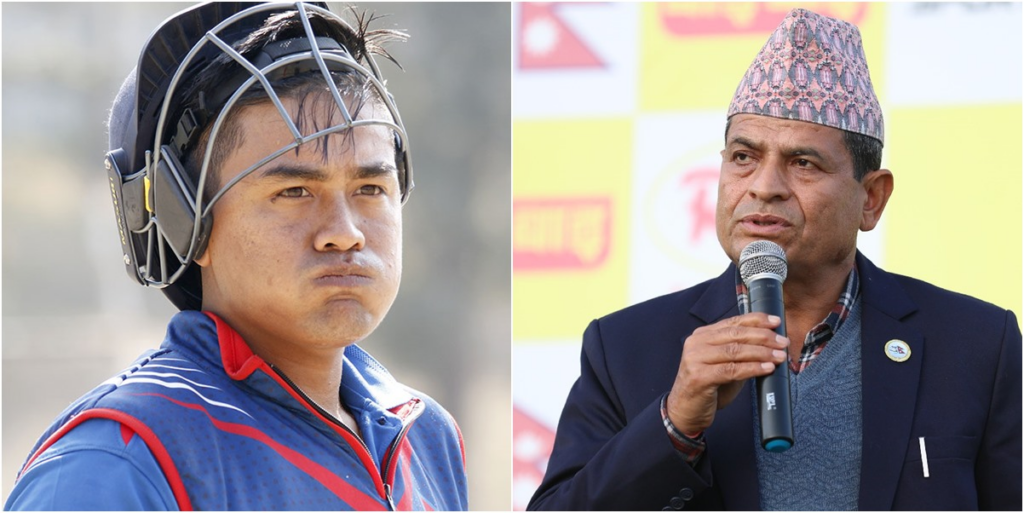
Instead of organizing domestic T20 tournaments, training camps, international exposure tours, or competitive series against strong teams, the Cricket Association of Nepal (CAN) appears entangled in an ongoing dispute with national players. The conflict began after captain Gyanendra Malla, vice-captain Dipendra Singh Airee, fast bowler Sompal Kami, and Kamal Singh Airee publicly expressed dissatisfaction over player grading before it was officially announced. What started as a disagreement has now escalated into a serious controversy.
CAN initially failed to release the 2021 player grading on time and continued payments based on the 2020 structure for the first six months. Even when the grading for the remaining period was finalized, it was not officially disclosed. Despite attempts to keep it confidential, the details were leaked, leading to public criticism from several players.
Naturally, questions were raised against CAN: if the grading was fair, why was it not made public? The situation intensified when four senior players, including the captain, spoke to the media without internal discussion. In response, CAN issued clarification notices, and the matter has now escalated to discussions of possible suspensions lasting up to three months.
Public reaction has been divided. Some fans have strongly criticized CAN on social media, while others believe strict disciplinary action is necessary to maintain order.
What Exactly Sparked the Dispute?
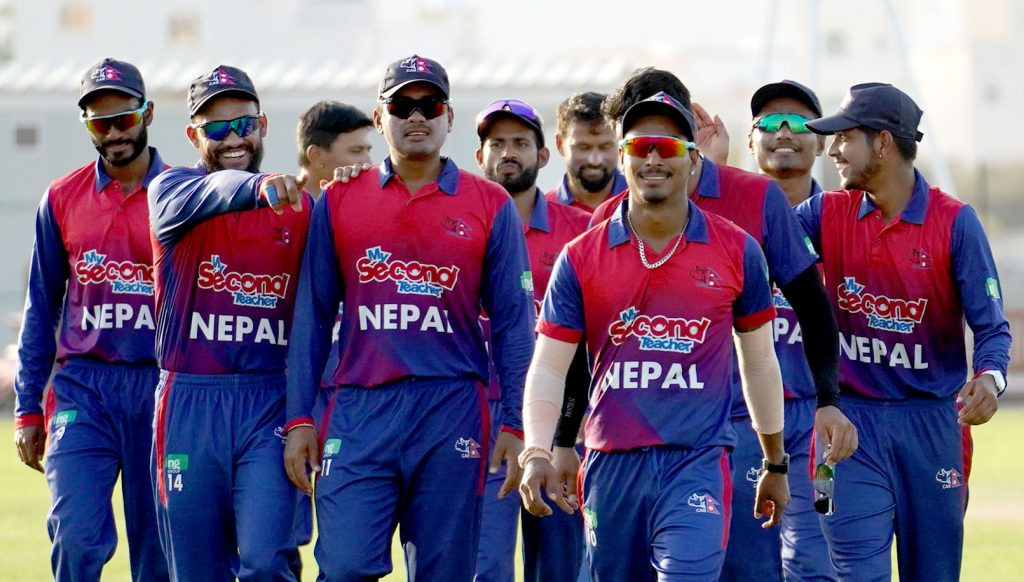
In late Kartik, the four players voiced their dissatisfaction with the grading system. Sompal Kami felt his placement in Grade B was unfair, while Kamal Singh Airee, placed in Grade C, also raised concerns—not just about himself but about other players as well. Both Gyanendra Malla and Dipendra Airee were in Grade A.
CAN responded by asking for clarification on Kartik 25, to which players replied on Kartik 30. Unsatisfied with the response, the situation escalated further when 19 players, led by Gyanendra, submitted an 11-point demand letter on Mangsir 5, giving CAN a seven-day ultimatum. CAN then issued a second clarification request on Mangsir 8.
According to CAN sources, the players’ responses repeated earlier arguments and failed to provide satisfactory justification. CAN is now considering disciplinary action in coordination with the International Cricket Council (ICC).
Possible Disciplinary Action
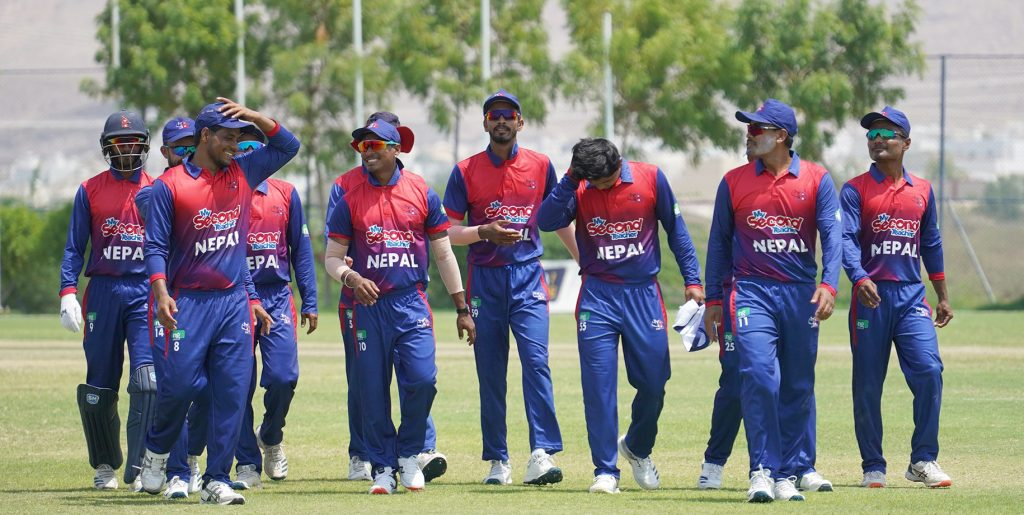
A recommendation committee led by acting secretary Prashant Bikram Malla, along with other board members, will determine the nature of disciplinary action. The final decision will be made by the board based on the committee’s findings.
Allegations Against Players
Some members within CAN argue that the issue is not just about speaking to the media, but about how the players did so. They believe the players should have first addressed their concerns internally. According to them, the players not only bypassed internal communication but also made statements that damaged the organization’s reputation.
They also claim that instead of acknowledging any mistake, the players blamed CAN in their responses and escalated the issue further by submitting a formal ultimatum.
Further Tensions After Meeting with Authorities
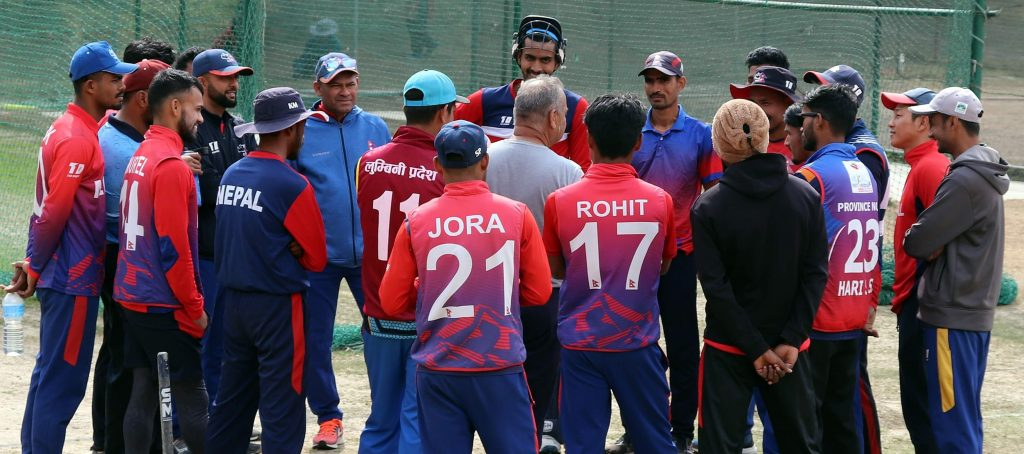
The situation worsened when some players, including Gyanendra Malla, met with officials from the National Sports Council (NSC). CAN reportedly viewed this as inappropriate, arguing that players should not approach external bodies without prior approval.
Players’ Perspective
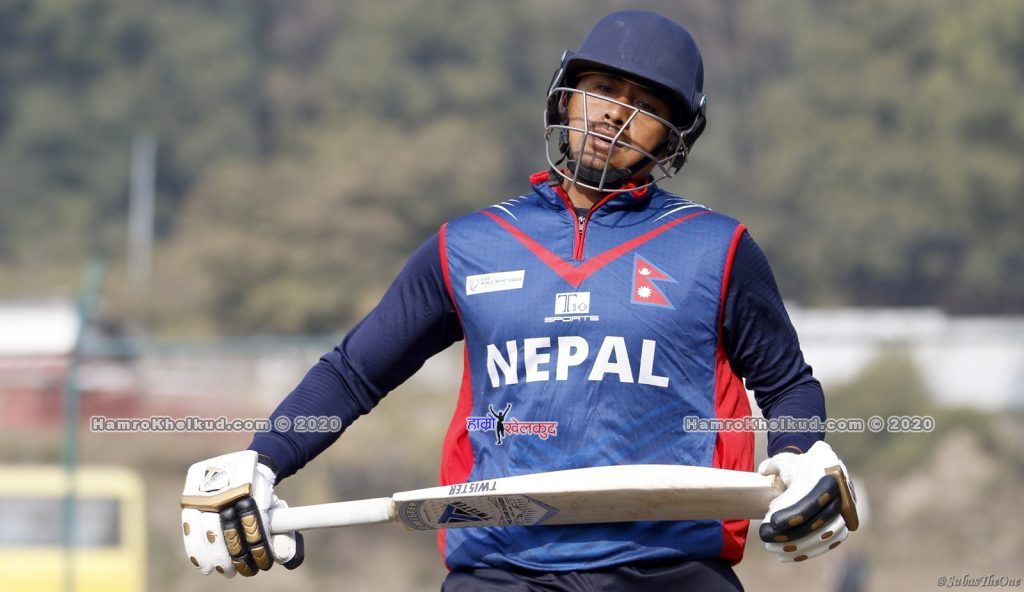
Gyanendra Malla defended the players’ position, stating that they were unaware of the grading criteria. He emphasized that their demand to include players who had played in 2020 was reasonable, especially considering CAN’s available budget.
He added that their 11-point demand focused on transparency in grading, allowances, and ensuring that no player is unfairly affected. “Why should one or two players suffer when funds are coming from the ICC?” he questioned.
What Lies Ahead?
CAN has accused the players of breaching discipline, and a board meeting in the coming days will determine the course of action. There are also suggestions that external influences may be fueling the dispute for personal interests—a problem not new to Nepali cricket.
Factionalism has long weakened Nepali cricket from within. Instead of resolving conflicts, the tendency to escalate them has only worsened the situation.
Cricket is, after all, a gentleman’s game where discipline is paramount. While disagreements are natural, they should ideally be resolved internally. Players have the right to speak, but how and where they express their concerns matters. At the same time, punishing players solely for voicing criticism would be unjust.
CAN must also introspect. Its performance over the past two years has drawn more criticism than praise. Delays, inefficiency, and lack of transparency have contributed significantly to ongoing controversies.
Ultimately, this dispute is not insurmountable. However, delaying resolution will only complicate matters further.
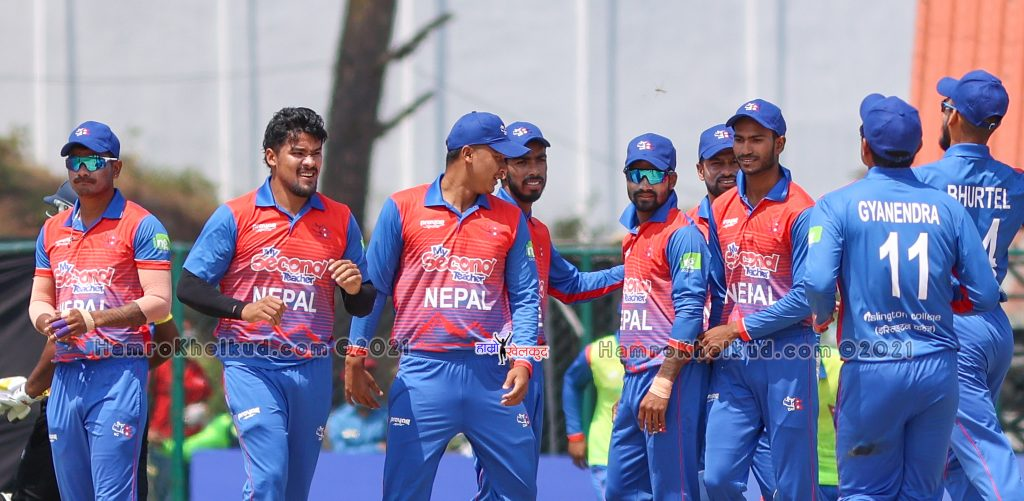
With the World Cup qualifiers approaching, getting entangled in such disputes is nothing short of foolish. Head coach Pubudu Dassanayake is expected to arrive in Nepal soon, and his presence could help restore unity within the team.
But if the current conflict continues, Nepali cricket may end up paying a heavy price.
