
Bhupendra GC, Kathmandu
Nepal’s campaign in the ICC Women’s T20 World Cup Asia Region Qualifiers ended in heartbreak, falling to Thailand in the semi-finals and once again missing out on a historic berth in the global stage. The dream of Nepali women cricketers to feature in a World Cup remains unfulfilled.
Despite reaching the semi-finals and lifting the four-nation Women’s T20I Series title prior to the qualifiers, the overall sentiment was one of disappointment rather than celebration. The primary reason: a persistently fragile batting unit.
Nepal’s results in the qualifiers painted a mixed picture. They lost to Malaysia by five runs, defeated Bahrain by 10 wickets, edged Bhutan by three wickets, and outclassed Qatar by nine wickets, while their match against UAE was abandoned due to rain.
That washed-out game proved costly. A result there could have significantly altered Nepal’s semi-final equation and potentially eased their path to World Cup qualification.
Across both the qualifiers and the preceding series, Nepal failed to post a total exceeding 100 runs, a glaring indicator of their batting struggles.
Batting Collapse: A Systemic Failure
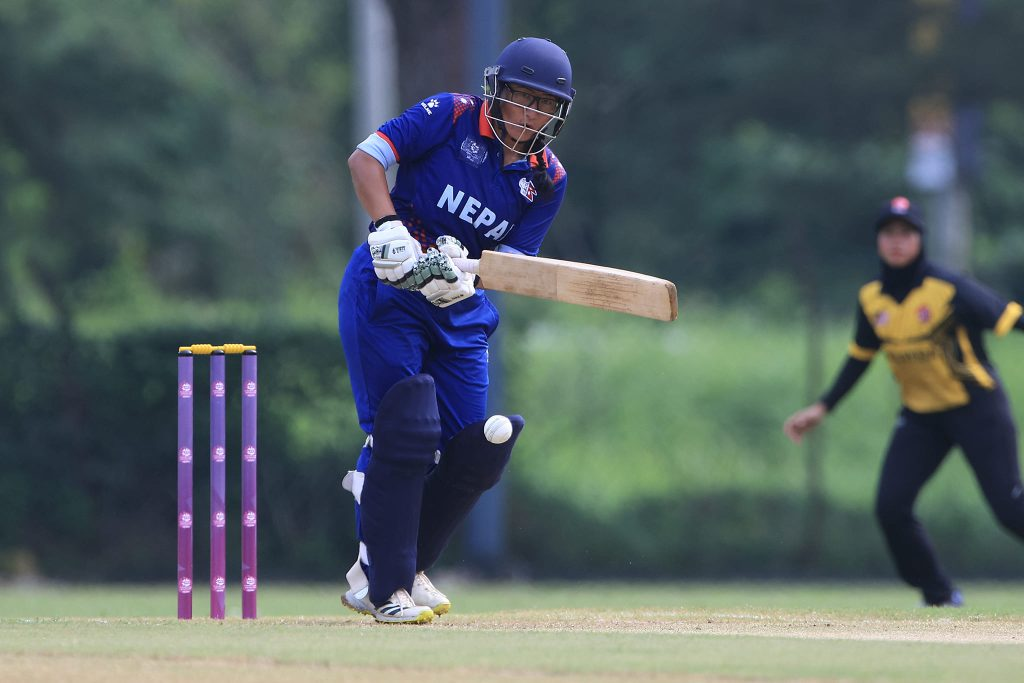
No Nepali batter managed to score 70 runs throughout the qualifiers. Sita Rana Magar was the lone bright spot, top-scoring with 69 runs across five matches. The rest of the lineup faltered: Kabita Kunwar contributed 34 runs, Kajol Shrestha 32, Apsari Begum 27, while captain Rubina Chhetri Belbase and Kabita Joshi added 24 each. Indu Barma scored 23, and Puja Mahato managed just 12.
No other batter crossed double figures consistently. Alarmingly, the runs expected from a single innings were not accumulated even across an entire tournament.
On the bowling front, Indu Barma and Puja Mahato claimed six wickets each, while Kabita Kunwar picked up five. Khushi, Kabita Joshi, and Rubina took three wickets apiece. Yet even these efforts could not mask the batting frailties.
Nepal’s struggles were epitomized in their narrow chase against Bhutan, where they lost seven wickets pursuing a modest target of 40. Sita’s 38 against Malaysia stood as the highest individual score by a Nepali batter in the tournament.
From Promise to Decline
Nepal’s women’s team once showed immense promise, reaching the final of their first international tournament in 2007, where they lost to Bangladesh. At the time, expectations were that the women’s team would reach the World Cup before the men.
However, the trajectory since then has been one of decline. Thailand, once a team Nepal routinely defeated, has surged ahead, even featuring in the 2020 ICC Women’s T20 World Cup. The gap between the two sides is now stark.
Recent defeats to teams like Malaysia, UAE, and Hong Kong further underline Nepal’s regression. Even victories against Bhutan are no longer convincing.
The downfall of Nepali women’s cricket can be attributed to multiple factors: weak investment by the Cricket Association of Nepal (CAN), a chaotic batting order, questionable captaincy, poor training structures, flawed team selection, and players failing to take responsibility.
Constantly Changing Batting Order
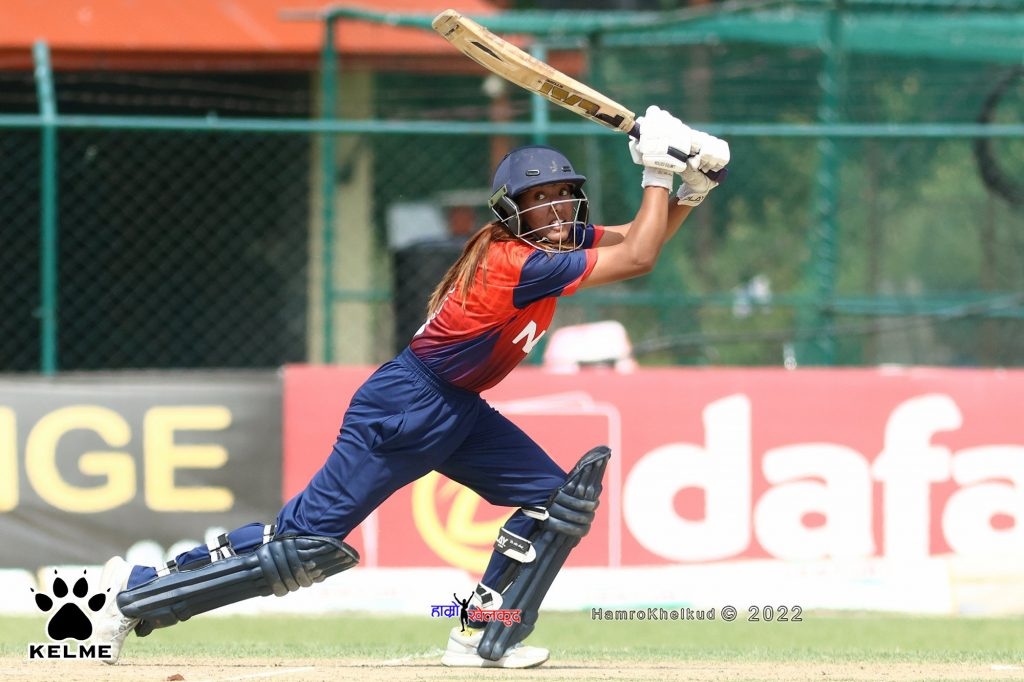
Successful teams rely on stability, particularly in their batting order. Nepal, however, experimented excessively.
For instance, opener Bindu Rawal was pushed down to number nine, a role typically reserved for bowlers or all-rounders. Her natural game as an opener was compromised, and her struggles were a predictable outcome.
Similarly, Kajol Shrestha failed to justify repeated opportunities, recording three ducks in four innings, with her only notable contribution being 32 runs against Qatar.
Sita Rana Magar, a consistent performer in domestic cricket as an opener, was shuffled across positions. Batting at number six, four, and eventually opening again, where she excelled and earned Player of the Match against Malaysia.
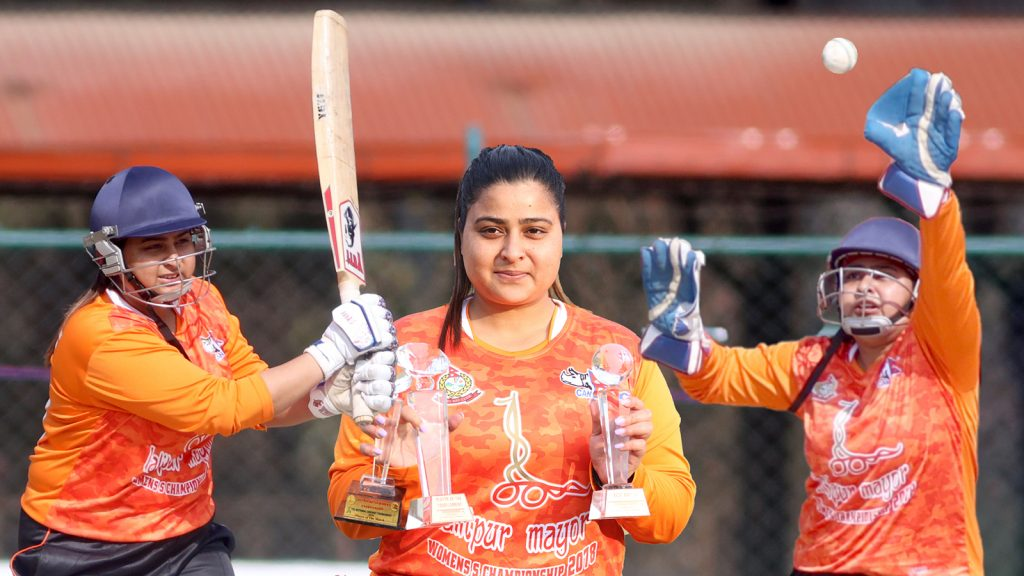
Puja Mahato was tried as an opener, then in the middle order, before being pushed down after repeated failures. Indu Barma’s position also remained uncertain, while emerging players like Samjhana Khadka struggled to find a defined role.
All-rounder Apsari Begum, despite her potential, appeared unclear about her role in the team.
Such inconsistency left players confused, unable to plan their innings effectively. The batting order resembled a casual, street-cricket approach rather than a structured strategy suited for a global qualifier.
Responsibility for this chaos lies not with the batters alone, but with the captain, coach, and team management.
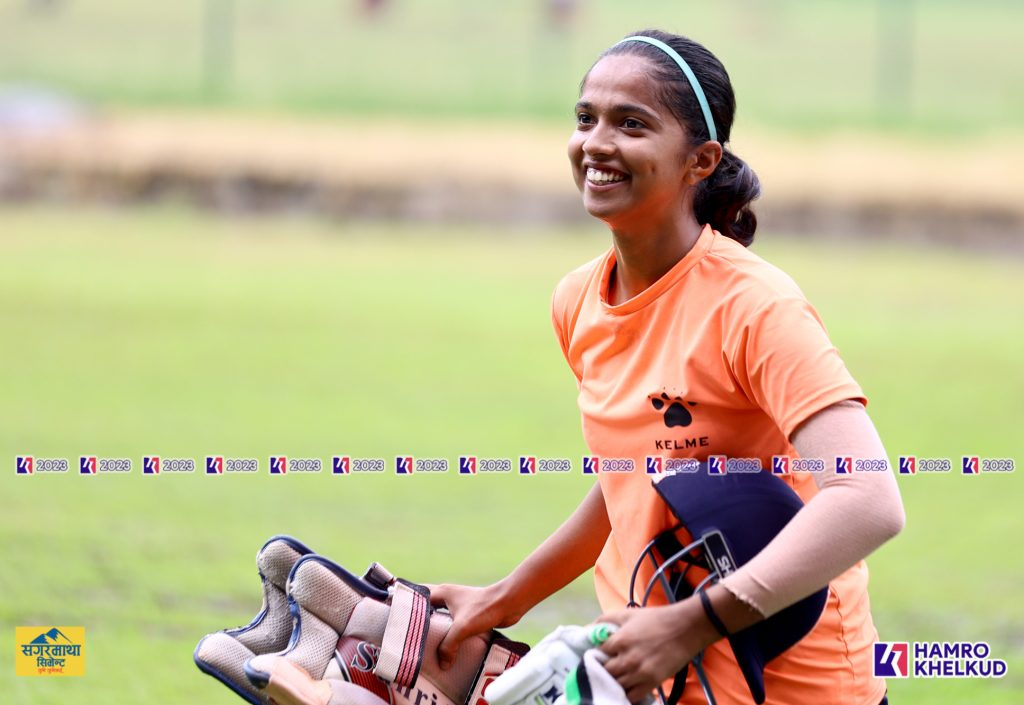
Selection Controversies
Nepal’s squad announcement for the Malaysia tour raised several eyebrows. Players excluded from the final 14 sought answers from chief selector Dipendra Chaudhary, who was left to address concerns largely on his own.
One major omission was wicketkeeper-batter Jyoti Pandey, one of the most consistent performers in domestic cricket over the past three years. Despite her batting credentials, selectors prioritized wicketkeeping skills.
However, even the top-ranked keeper Ruby Poddar was given just one match and barely had an opportunity to bat, raising questions over the selection logic.
Promising all-rounder Rajamati Airee was not even included in the preliminary squad, while Puja Mahato was fast-tracked into the national team without domestic experience, a move criticized as favoritism.
Experienced players like Neri Thapa were overlooked despite strong domestic performances, while young talent Roma Thapa was excluded without clear justification.
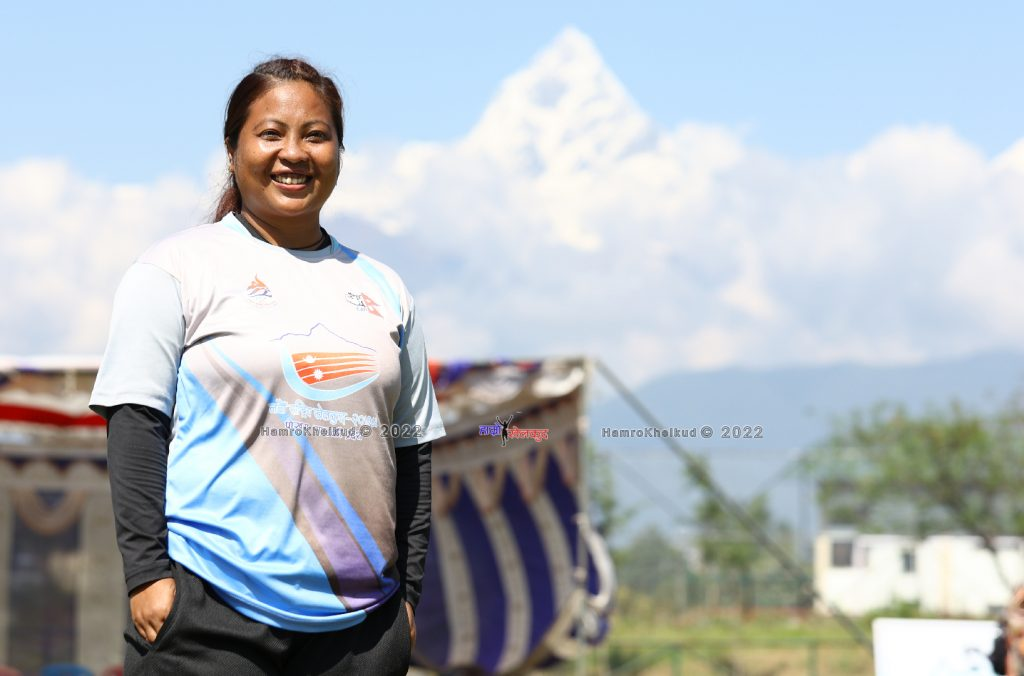
Questions Over Leadership
Team selection is a collective responsibility of the captain, coach, and selectors. However, when questioned, captain Rubina Chhetri Belbase and head coach Samson Jung Thapa refrained from responding, leaving the selector to face criticism alone.
Rubina had earlier stated she would play with the squad provided to her, but critics argue that both the captain and coach play a decisive role in determining the playing XI and batting order.
Lack of Investment and Planning
Nepal brought in Devika Palshikar as a batting coach, but expecting drastic improvements within a month and largely indoor training due to rain was unrealistic.
The deeper issue lies in systemic neglect. Women’s cricket in Nepal suffers from limited investment, inadequate domestic competitions, and insufficient international exposure.
CAN’s preparation often begins just a month before major tournaments — far from adequate at the international level. The reduction in centrally contracted players and long gaps without international matches have further hindered development.
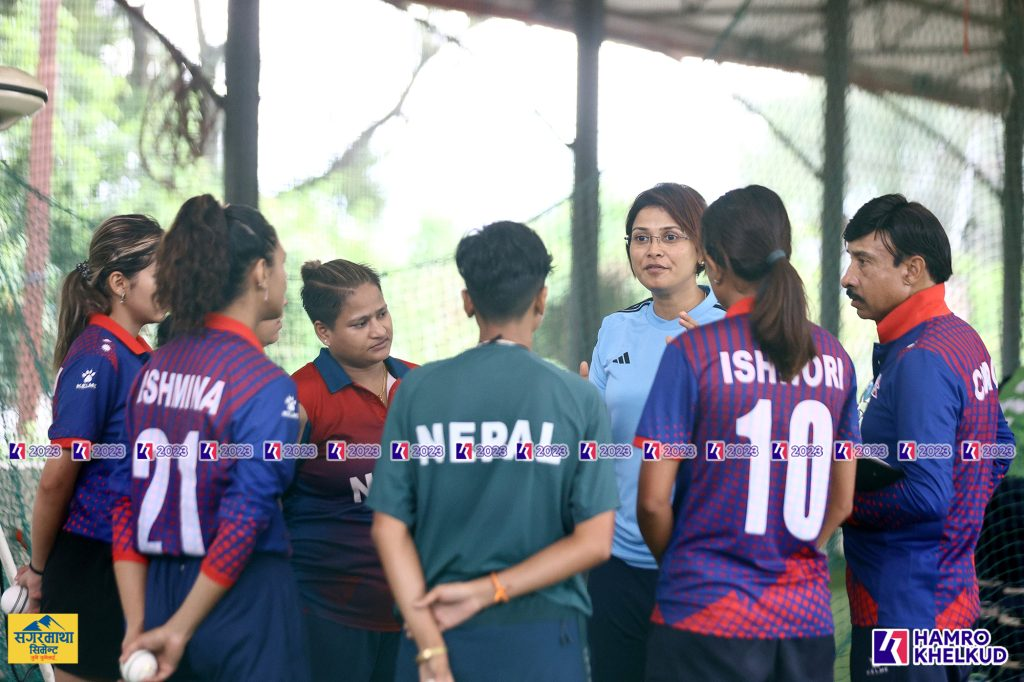
Players’ Responsibility
While structural issues persist, players must also take accountability. International matches are rare opportunities “like Dashain and Tihar” and must be utilized to the fullest.
Failure to capitalize on scoring opportunities, especially in T20 cricket, proved costly. Senior players, in particular, are expected to shoulder greater responsibility.
Talent Drain: A Growing Concern
Nepali women’s cricket is also facing an exodus of talent.
Suman Khatiwada, one of the finest batting all-rounders, left for Australia after struggling for consistent opportunities. Similarly, explosive batter Dolly Bhatt has also moved abroad.
Promising players like Binda Katwal have relocated to Japan, with others considering similar moves. Frustration over limited opportunities and poor results is driving this migration.
What Next?
For Nepali women’s cricket to recover, urgent reforms are needed. Increased investment, regular domestic competitions, and consistent international exposure are essential.
Grassroots development – across schools, clubs, and academies must be prioritized. Selection should be merit-based, and players must be given clearly defined roles.
Equally, leadership within the team must foster unity and direction.
Without immediate and sustained intervention, the future of Nepali women’s cricket risks further decline and potentially, irrelevance.
