
-Bhupendra GC, Kathmandu
Nepali cricket is arguably enjoying the finest phase in its history. Retaining ODI status, participating in the Asia Cup, and securing qualification for the ICC Men’s T20 World Cup 2024 have marked a golden chapter for the national team.
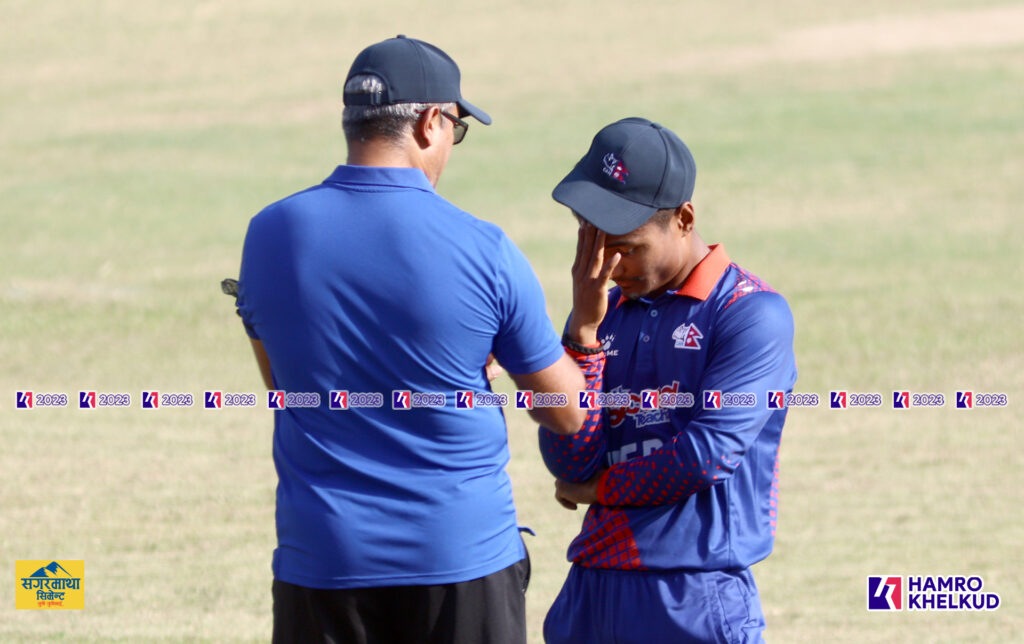
Since February, Nepal has been on an intense international schedule featuring in the ICC World Cup League 2, lifting the ACC Premier Cup, competing in the ODI World Cup Qualifiers in Zimbabwe, playing in the Asia Cup, the 19th Asian Games, the ACC Emerging Teams Asia Cup, and the ICC T20 World Cup Qualifiers, alongside training camps in Sri Lanka and Rajasthan, India.
Never before have Nepali national players been this active. Each success has elevated both the popularity and standard of the game in the country. Yet, beneath this success story lies a troubling reality, domestic cricket is in decline.
Since the appointment of Monty Desai as head coach, Nepal has not hosted a single domestic competition. Over the past nine months, the national team has largely been restricted to a pool of just 15 to 20 players, with minimal rotation.
In the absence of domestic tournaments, there has been no platform to identify or promote emerging talent. As a result, team selection has become repetitive, relying heavily on the same group of players.
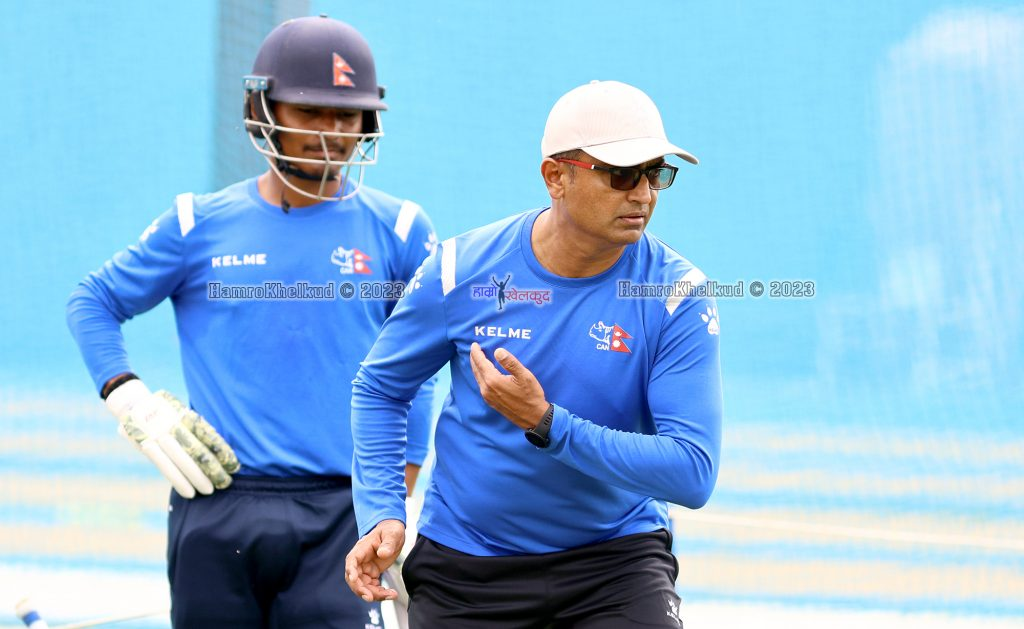
While centrally contracted players have earned upwards of Rs 2 million through salaries, allowances, match fees, and government incentives, domestic cricketers face a starkly different reality, limited income and virtually no competitive cricket.
This imbalance has triggered a growing trend of players seeking opportunities overseas.
Promising fast bowler Nandan Yadav moved to Australia last year. Young national team bowlers Kishore Mahato, Sushan Bhari, and Bikram Sob have followed the same path.
Another emerging spinner, widely regarded as a future prospect, is also preparing to leave for Australia. Several provincial captains have begun similar processes, many of whom have not returned after departing.
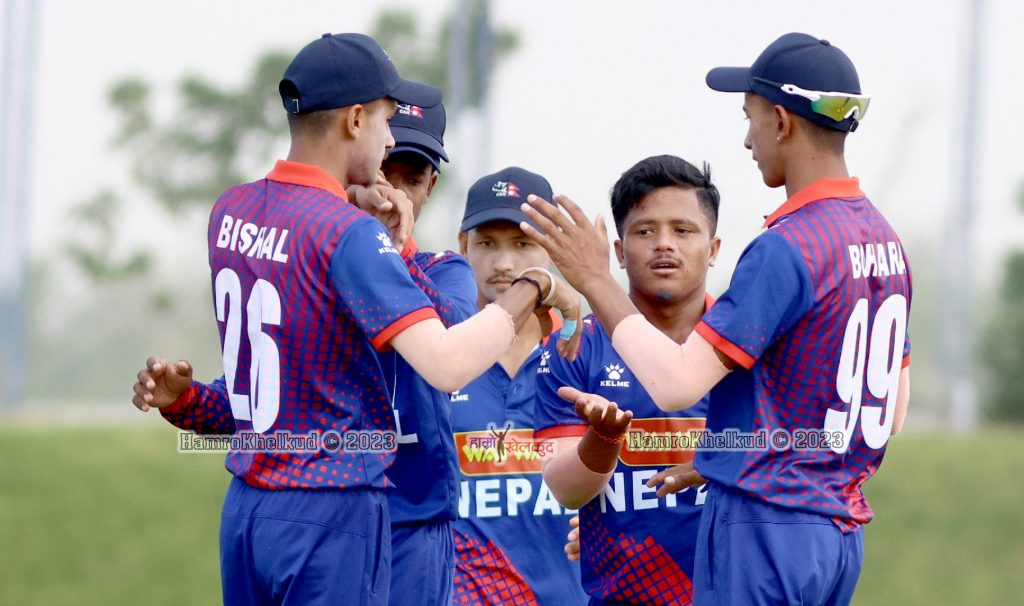
Abinash Bohra also relocated to Australia last year, citing the lack of domestic opportunities.
In recent months, some players have even travelled to India at their own expense for training, but without domestic platforms back home, they have no stage to showcase their development.
The root causes are clear, absence of domestic competitions and financial instability.
Domestic players are increasingly frustrated. One cricketer, speaking anonymously, highlighted the grim reality: “We only get to play one or two tournaments a year. Even if we perform, it is quickly forgotten. We are left with no option but to look abroad.”
Young talent Sher Malla, currently training in Delhi, echoed similar concerns. “Domestic cricket is crucial. Without it, we have nowhere to prove ourselves. We’ve dedicated everything to cricket, but without matches, even covering basic expenses becomes difficult.”
The disparity in exposure between national and domestic players is widening rapidly. While the senior team has played over 30 international matches since February, competing against top nations like India, Pakistan, and the West Indies, domestic players have virtually no match experience.
This gap is beginning to affect team building. Injuries to key players have exposed the lack of ready replacements.
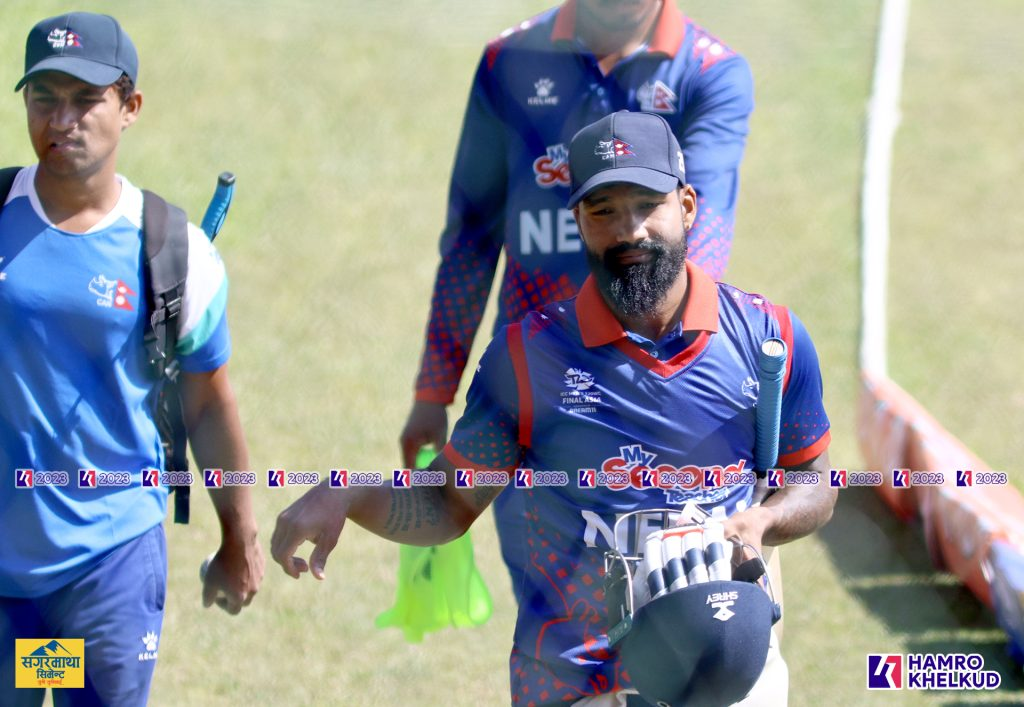
During the T20 World Cup qualifiers, Dipendra Singh Airee suffered a leg injury but still featured in the semi-final against UAE, relying on painkillers. In a stronger system with depth, such risks could have been avoided.
The absence of domestic competition has made selection increasingly difficult for the captain, coach, and selectors.
Promising all-rounder Pawan Sarraf has struggled to cement his place despite opportunities, often facing criticism due to inconsistent performances.
Chief selector Dipendra Chaudhary even admitted that, in the absence of domestic cricket, performances in foreign academies were considered for selection.
“We had to rely on feedback from academy coaches abroad,” he had said during the ACC Emerging Teams Asia Cup.
Karnali captain Rabindra Jung Shahi stressed that the pathway to the national team has become increasingly unclear.
“Every player dreams of representing Nepal, but without proper domestic cricket, reaching that level has become very difficult.”

National team captain Rohit Paudel also acknowledged the issue.
“We’ve been rotating the same 15 to 20 players. Without domestic cricket, selection becomes limited to those already in the system. Performance-based selection is not possible.”
Amid these concerns, Paras Khadka, Nepal’s most successful former captain has emerged as a beacon of hope following his appointment as CAN secretary.
One of his early decisions includes restructuring the Prime Minister’s Cup into a league format, with the next edition scheduled for January.
Paras acknowledges the issue of player migration but views it as a personal decision.
“If players are leaving during a golden era, it reflects insecurity about their future. We must address that by creating opportunities,” he said.
He also emphasized that meaningful reform will take time. “Change doesn’t happen overnight. We are planning to organize more matches and create a strong foundation for domestic players.”
The challenges facing domestic cricket stem from limited finances, lack of adequate infrastructure, and an overwhelming focus on the senior team.
Globally, even during World Cups, domestic competitions continue uninterrupted, a model Nepal must adopt.
For sustainable growth, Nepal must prioritize domestic cricket alongside international success. This includes regular tournaments, the formation of a Nepal ‘A’ team, and the establishment of a fully functional National Cricket Academy.
Encouragingly, the involvement of Paras Khadka has already attracted major sponsors, raising hopes for structural reform.
However, the future of Nepali cricket over the next four years will largely depend on one critical factor -investment in domestic cricket.
Without it, the current golden era risks becoming a short-lived success story, overshadowed by a failing foundation.
